Loading...
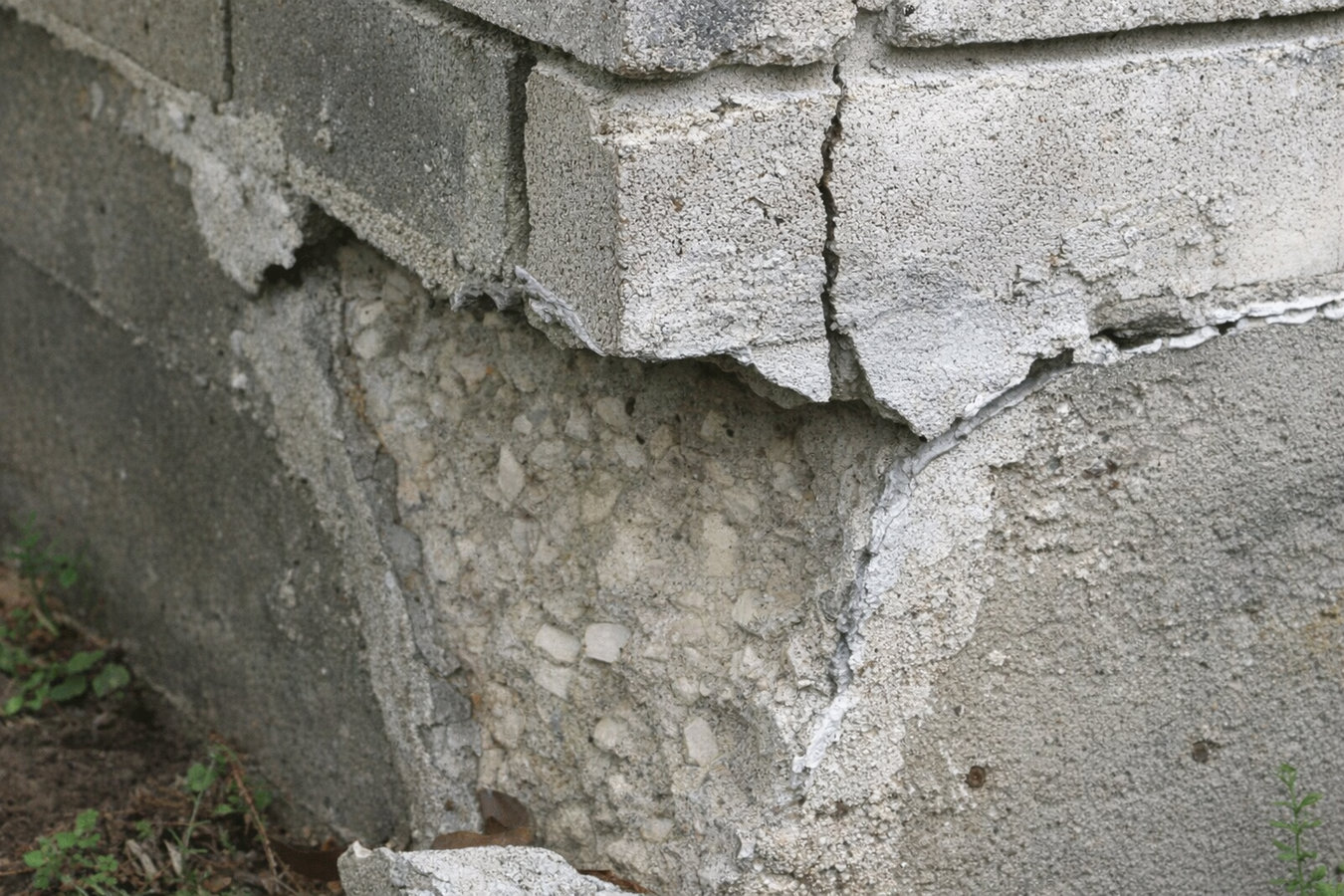
Your foundation is moving and every Windsor winter makes it worse. We lift, stabilize, and document the repair so you are protected now and when you sell.
Foundation raising in Windsor, CT lifts a settled foundation back toward its original level using steel piers driven into stable soil below the frost line, most residential jobs take one to three days and include a written permit, inspection sign-off, and transferable warranty.
Windsor's freeze-thaw winters and alluvial soils near the Connecticut and Farmington Rivers make foundation settlement more common here than in many other parts of Connecticut. If your home was built between 1940 and 1980, the soil preparation and drainage systems from that era may not be holding up the way they should. The good news is that modern foundation raising stops movement permanently - not just for a season or two. If you are also dealing with cracked or sunken flatwork around your home, our concrete cutting team can handle those repairs at the same time.
Every foundation raising job we do comes with a written estimate, a permit pulled from the Town of Windsor Building Department, and a final inspection by a town building inspector. You get documentation that protects your investment now and when you eventually sell.
If interior doors that used to swing freely now drag on the floor or refuse to latch, that is one of the most reliable early signs that your foundation has shifted. In Windsor's older homes - many built in the 1950s and 60s - this kind of sticking often gets written off as the house settling with age, but it is worth having a professional check whether the foundation is the cause.
Diagonal cracks running from the corners of door frames or windows toward the ceiling are a common sign that the foundation beneath that part of the house has dropped. Cracks wider than a quarter-inch, growing cracks, or cracks appearing on both sides of a wall deserve a closer look. After Windsor's freeze-thaw winters, walk through each spring and check for new cracks that were not there the previous fall.
A marble placed on the floor that rolls consistently in one direction is a simple test you can do yourself. Uneven floors - especially in older Windsor homes with crawl spaces or full basements - often point to foundation movement beneath that section of the house. The longer you wait, the further the foundation can travel before it is corrected.
Windsor's wet springs mean water management around your foundation matters a great deal. If you regularly see water pooling against your foundation walls after rain or snowmelt, that water is softening the soil beneath your footings and accelerating settlement. This is both a warning sign that movement may already be occurring and a contributing cause that needs to be addressed as part of any repair.
Most foundation raising jobs use a steel pier system, where long steel tubes are driven deep into stable soil below the frost line and then used to lift and support the foundation. This method works well for heavier foundations and more severe settlement, and it produces a result that is not affected by the seasonal soil movement that caused the original problem. For smaller slabs - a garage floor, a stoop, or an outbuilding - polyurethane foam injection can fill voids and lift the surface more quickly and with less excavation.
In many Windsor cases, the lifting itself is only part of the solution. If poor drainage or improper grading is causing water to pool against your foundation and soften the soil, we address that at the same time - because a lift without a drainage correction often leads to the same problem repeating within a few years. Our slab foundation building team can handle new pours for additions or outbuildings, and if any existing flatwork around your home needs to be removed and replaced as part of the repair scope, our concrete cutting crew can handle that cleanly with precision saw cuts.
Best for heavier foundations and more severe settlement - piers are driven to stable soil below the frost line.
A faster option suited for smaller slabs like garage floors or stoops where void-filling and lifting are the primary goals.
Recommended when poor grading or drainage is the root cause of the settling - repairs without it often recur.
For early-stage movement where a full repair is not yet warranted - gives you a baseline and a clear watch-for list.
Windsor sits in USDA Hardiness Zone 6b, and the ground freezes and thaws repeatedly from November through March. Each freeze-thaw cycle pushes and pulls at the soil beneath your foundation, which accelerates settling over time. Windsor homeowners often notice foundation problems getting noticeably worse after a hard winter, and spring is typically the best time to have an inspection done while the damage is fresh and visible. Add to that the fact that a large share of Windsor's homes were built between the 1940s and 1970s - when soil preparation and drainage practices were less rigorous than they are today - and you have a lot of residential foundations that are simply not holding up the way a modern build would.
The Connecticut River floodplain runs along Windsor's eastern edge, and portions of the town sit on alluvial soils that compress and shift more readily than dense glacial till. Homes near the river or near Farmington River tributaries face a higher risk of foundation settlement because the soil beneath them is less stable. We serve homeowners in Bloomfield and South Windsor as well, and the same soil and climate conditions that affect Windsor extend into those neighboring towns.
When you call, we ask a few questions about what you have noticed and how old your home is. We schedule an on-site inspection - typically within a week to ten days, though spring is busier. We reply to every inquiry within one business day.
A foundation specialist walks your property inside and out, checks foundation walls and floor levels, and takes measurements to determine how far the foundation has moved. You will get a plain-language explanation of exactly what we see.
After the inspection you receive a written proposal covering method, number of support points, cost, and timeline. Confirm that it includes pulling the required building permit from the Town of Windsor - this should be standard, not an add-on.
On work day we install the support system and carefully raise the foundation in small, controlled increments. When complete, we backfill, clean up, and coordinate the Town of Windsor building inspector's final sign-off before we close the job.
Free written estimate. Permit pulled for you. Windsor building inspection included.
(860) 607-9919Your estimate details exactly how many support points are needed, what method we use, what the work costs, and how long it takes. No surprises after you sign. The National Association of Home Builders recommends confirming full scope in writing before any structural work - we do it every time.
Connecticut requires a building permit for structural foundation work, and we handle the full permit process with the Town of Windsor Building Department on your behalf. An independent town inspector verifies the work was done correctly before we consider the job closed.
Windsor sits at the confluence of the Connecticut and Farmington Rivers, and portions of the town have alluvial soils that compress and shift more readily than glacial till. We account for local soil conditions when designing the support system so the repair holds through Windsor's winters and wet springs. Connecticut DEEP soil and floodplain resources.
Every foundation raising project we complete comes with a written transferable warranty. If you ever sell your Windsor home, a future buyer can see that the problem was addressed properly by a licensed professional - not patched and papered over.
When you hire us for foundation raising in Windsor, you get a licensed contractor who knows Connecticut's structural permit requirements, understands the local soil and climate conditions that caused the problem, and backs the work with a written transferable warranty. The International Association of Certified Home Inspectors recommends verifying licensing and permits before any foundation repair - we make both easy by handling the permit ourselves and providing full documentation before we leave the job site.
Precise saw cuts for openings, utility runs, and section removal - a common complement to foundation repair work.
Learn MoreNew slab pours for additions, outbuildings, and residential ground-level foundations in Windsor and the surrounding towns.
Learn MoreWindsor's freeze-thaw season starts earlier than most homeowners expect - locking in your repair now means the work is documented and complete before the ground freezes again.