Loading...
Stop patching cracks that come back every spring. We cut cleanly, check for utilities first, and leave you with a straight edge that holds through Connecticut winters.
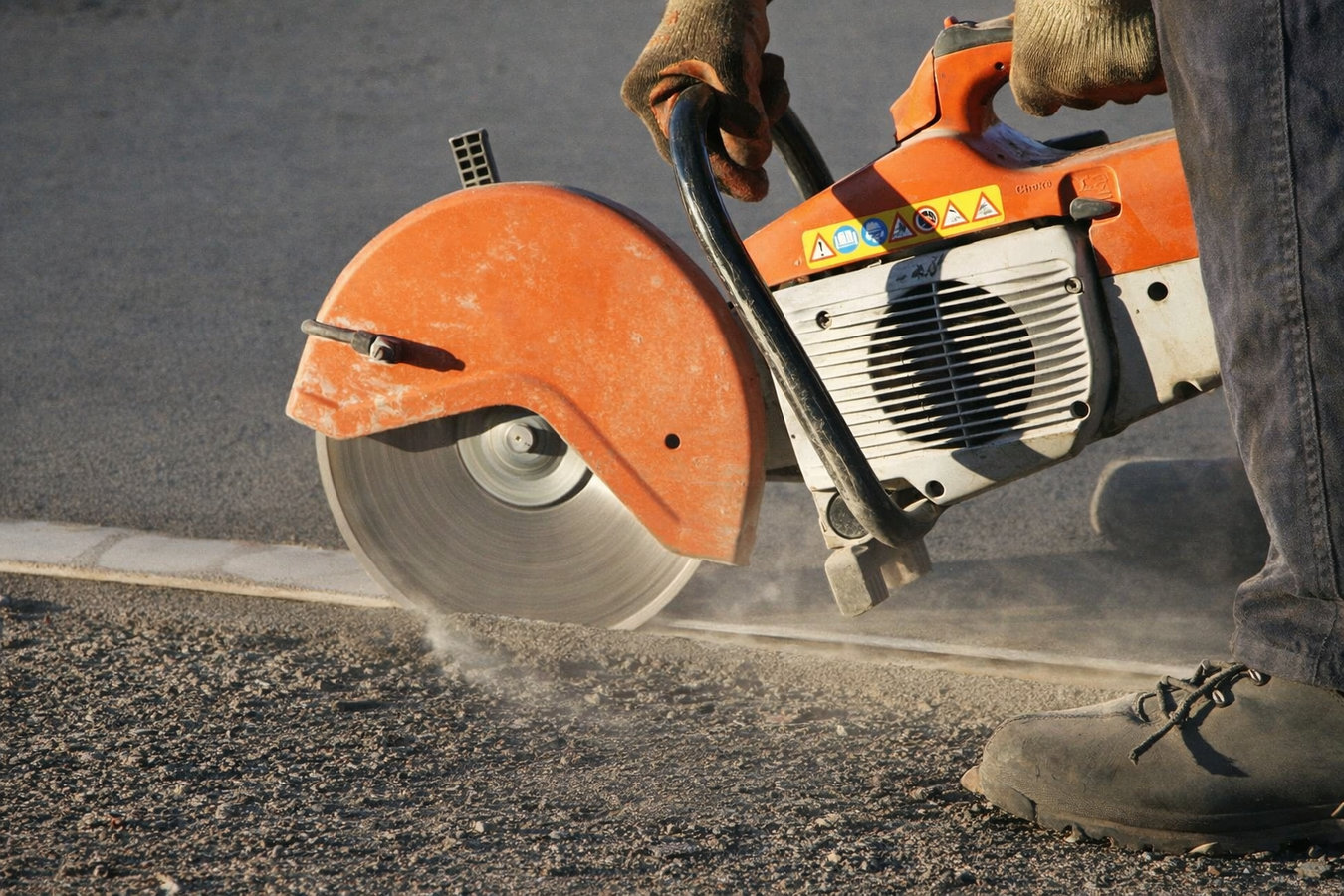
Concrete cutting in Windsor, CT uses diamond-blade saws to slice cleanly through driveways, floors, and foundation walls, most residential jobs - a basement floor cut for plumbing or a driveway section removal - are done in two to five hours with same-day cleanup.
Windsor's older housing stock is a big part of why concrete cutting comes up so often here. Homes built in the 1940s through 1970s have slabs that have been curing for decades - they are denser and harder to cut than newer concrete, and the freeze-thaw cycles we see every winter have often cracked them in ways that patching alone cannot fix. When a crack keeps coming back every spring no matter how many times you fill it, cutting out the damaged section entirely is the right call. If the problem extends below the slab - soil settlement, poor drainage, a shifted foundation - our concrete driveway building team can handle the pour once the old material is removed.
We use the right tool for each job - a flat saw for horizontal surfaces, a wall saw for vertical cuts through foundation walls, and a core drill for round utility penetrations. Before any blade goes in, we run a utility check so there are no surprises buried under your slab.
If you have patched the same crack two or three times and it reopens after every winter, it has likely grown deeper than a surface patch can fix. Windsor's repeated freeze-thaw cycles drive water into small cracks all winter long, widening them from the inside out. Cutting out the damaged section and replacing it is more effective and less expensive over time than patching it again.
Any time a plumber, electrician, or contractor needs to run a pipe, conduit, or duct through a concrete wall or slab, concrete cutting is the right tool. Chipping through with a hammer creates jagged, oversized openings that are harder to seal and more likely to crack further. A clean, precise cut protects the surrounding concrete and makes the finished installation look professional.
In Windsor, soil movement from seasonal moisture changes can cause sections of a concrete slab to drop or rise unevenly. If you can see a clear step or lip between two sections of your floor, or if water pools in a low spot, cutting out and replacing that section is often the most reliable fix. Left alone, an uneven slab becomes a tripping hazard and worsens with each freeze-thaw season.
If the top layer of your driveway or patio is peeling away in thin chips - a condition called spalling - the surface has likely been weakened by years of road salt or water infiltration. Once spalling reaches a certain depth, patching no longer holds well. Cutting out the affected area and pouring a fresh section is the longer-lasting solution.
The most common request we get is a flat saw cut on a horizontal surface - a driveway section, a patio panel, or a basement floor opened up for a plumbing rough-in. Flat saws are the workhorses of concrete cutting and can handle slabs from four to twelve inches thick. For vertical surfaces like foundation walls or basement walls, a wall saw mounted on a track produces a clean, controlled cut for egress window openings, doorways, and utility penetrations. Core drills punch precise round holes for pipes, conduit, and drains - far cleaner and faster than any hammer-and-chisel approach.
When the job involves removing a damaged or heaved section, cutting is only the first step. We work alongside our concrete driveway building crew to handle the replacement pour once the old material is out, and if the project is part of a larger commercial site, our concrete parking lot building team can coordinate the full scope. The American Concrete Institute outlines the right tool selection standards for each application - we follow those guidelines on every job.
The standard for horizontal slabs - driveways, patio sections, garage floors, and basement floor cuts for plumbing access.
For foundation walls and basement walls - creating openings for egress windows, doorways, and utility penetrations.
Precise round holes for pipes, conduit, and drains - cleaner and faster than any chisel or jackhammer approach.
For damaged or heaved slab sections - cut out the problem area cleanly, remove the debris, and pour a matching replacement.
Windsor experiences between 25 and 35 freeze-thaw cycles per year. Water seeps into small cracks, freezes, expands, and breaks the concrete apart from the inside - over and over again from November through March. This accelerates deterioration in driveways, walkways, and garage floors faster than in most of the country. Homes built before 1980 often have slabs that were poured with less consistent quality control and have had decades to develop this kind of internal damage. When those slabs finally fail past the point where patching holds, concrete cutting is how you remove the damaged material cleanly before a proper replacement goes in. Road salt and de-icing chemicals that Windsor winters require make the problem worse - they eat into the surface layer and widen existing cracks over time.
Windsor's location in the Connecticut River Valley also matters. Soils here include sandy loam, silt, and areas of poorly drained clay that can cause slabs to shift, settle unevenly, or develop voids underneath over time. We serve homeowners throughout the area, including East Hartford and Manchester, where the same Connecticut River Valley soil and climate conditions create the same recurring concrete problems we see in Windsor every season.
We ask about the project, the location, and the age of your home. Most Windsor-area contractors want to see the slab in person before giving a firm price - our site visits are free and typically take 20 to 30 minutes. We reply to every inquiry within one business day.
Before any blade touches your concrete, we submit a Call 811 request to have underground utilities marked at your property. If your project is a structural change that requires a Windsor Building Department permit, we pull it before work begins and keep you informed of the timeline.
The crew sets up equipment, lays down protective coverings, and marks cut lines before starting. Clear the area of vehicles and furniture - concrete slurry spreads and stains. We use wet-cutting methods to control dust and protect your home's finished spaces.
Most residential jobs take two to five hours of active cutting. When complete, we rinse slurry, collect debris, and walk you through the finished cuts. You inspect the cut lines yourself - they should be straight, clean, and consistent in depth from start to finish.
Free written estimate. Utility check included. No obligation to book.
(860) 607-9919We submit a Call 811 underground utility marking request before every concrete cutting job in Windsor - no exceptions. Cutting through a buried gas or water line turns a straightforward project into an emergency. Checking first protects you from a bill and a disruption you were not expecting. Call 811 Connecticut.
Windsor's Poquonock and Wilson neighborhoods are built on concrete poured in the 1940s through 1970s - dense, hard material that has been curing for decades. We bring the right blades and expect multiple passes when needed. Contractors unfamiliar with older Connecticut slabs underquote and then rush the job.
Concrete cutting produces fine silica dust and gray slurry that spread quickly. OSHA's silica standard requires dust controls on cutting jobs, and we take it seriously: wet-cutting methods, vacuum extraction, and protective coverings keep the mess in the work zone and out of your home. OSHA silica standard overview.
Structural concrete cutting in Windsor - opening a foundation wall, cutting for an egress window, or running new plumbing - requires a permit from Windsor's Building Department. We know which jobs need one, we pull it, and we schedule the town inspector's visit as part of the project timeline.
Every concrete cutting job we complete in Windsor is backed by a crew that knows the difference between a 1955 slab and a 2005 slab - and adjusts their approach accordingly. We check utilities, manage dust and slurry, and handle permits when the job requires them. That combination - proper tool selection, safety compliance, and permit knowledge - is what separates a clean job from one that causes problems down the road.
New driveway pours after damaged sections have been cut out and removed - a natural next step to concrete cutting work.
Learn MoreCommercial and multi-unit concrete flatwork, including controlled demolition cutting of existing surfaces before a new pour.
Learn MoreMost jobs can be scheduled within the week - the longer you wait, the more damage Windsor winters can do to a crack that is already open.